Everybody seems to have their own individual theory with regards to Prevent Frozen Pipes .
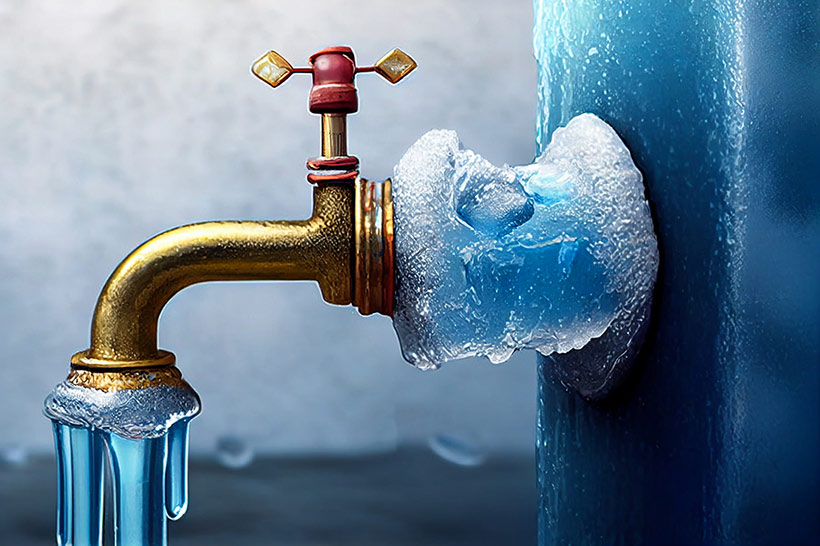
Winter can wreak havoc on your pipes, particularly by freezing pipes. Here's how to avoid it from occurring and what to do if it does.
Intro
As temperatures decrease, the danger of frozen pipes boosts, possibly causing expensive repair work and water damages. Comprehending just how to prevent icy pipelines is vital for homeowners in cool environments.
Understanding Frozen Pipes
What creates pipelines to ice up?
Pipes freeze when subjected to temperatures below 32 ° F (0 ° C) for expanded periods. As water inside the pipes ices up, it expands, taxing the pipeline wall surfaces and possibly creating them to break.
Threats and problems
Icy pipes can result in supply of water disturbances, property damage, and expensive fixings. Ruptured pipelines can flood homes and trigger substantial architectural damage.
Signs of Frozen Pipes
Determining icy pipelines early can prevent them from rupturing.
Exactly how to recognize frozen pipes
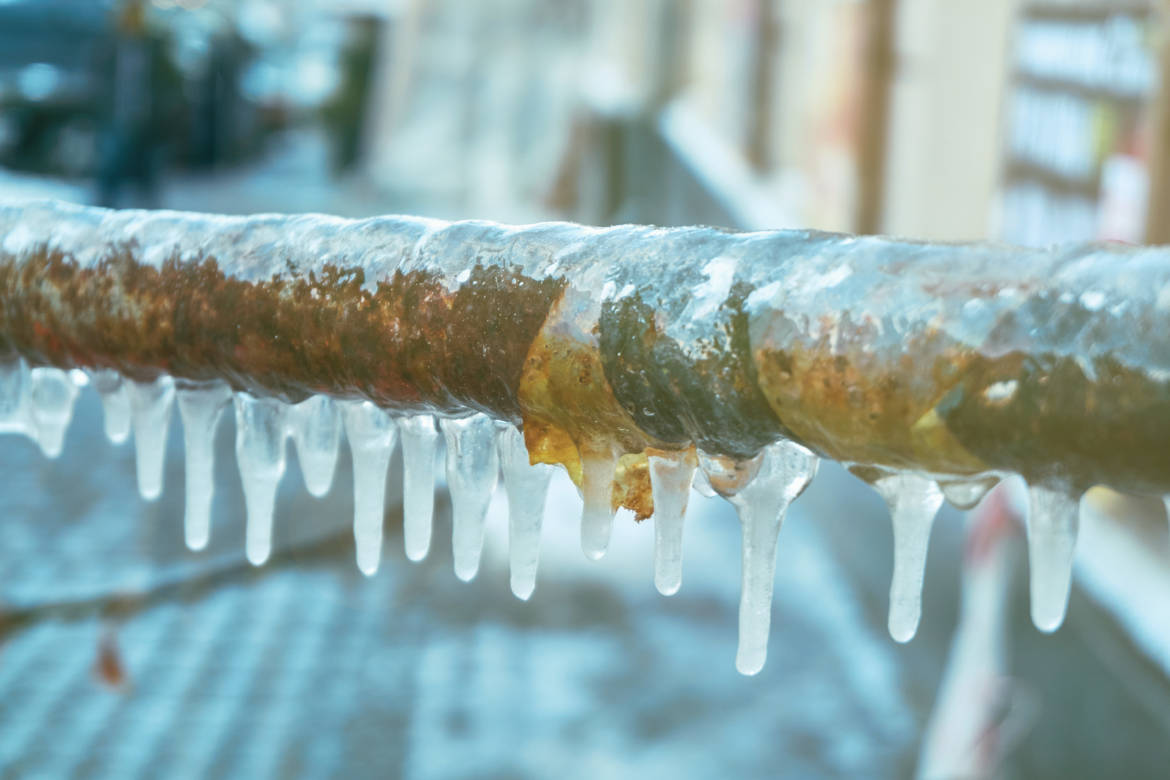
Search for decreased water flow from taps, uncommon smells or noises from pipes, and visible frost on exposed pipelines.
Avoidance Tips
Insulating prone pipelines
Cover pipelines in insulation sleeves or utilize warm tape to secure them from freezing temperature levels. Focus on pipes in unheated or exterior areas of the home.
Home heating strategies
Maintain interior spaces sufficiently heated, specifically locations with plumbing. Open up cupboard doors to enable warm air to distribute around pipelines under sinks.
Safeguarding Outside Pipes
Yard pipes and outdoor faucets
Separate and drain yard hoses before winter months. Mount frost-proof faucets or cover exterior taps with protected caps.
What to Do If Your Pipes Freeze
Immediate activities to take
If you presume frozen pipes, keep taps open to relieve stress as the ice melts. Make use of a hairdryer or towels soaked in warm water to thaw pipelines gradually.
Long-Term Solutions
Structural changes
Take into consideration rerouting pipes away from outside wall surfaces or unheated areas. Include additional insulation to attic rooms, basements, and crawl spaces.
Upgrading insulation
Invest in premium insulation for pipelines, attics, and walls. Proper insulation helps maintain consistent temperatures and minimizes the danger of icy pipelines.
Verdict
Avoiding frozen pipes calls for proactive actions and quick actions. By comprehending the causes, indications, and preventive measures, homeowners can protect their pipes during winter.
5 Ways to Prevent Frozen Pipes
Drain Outdoor Faucets and Disconnect Hoses
First, close the shut-off valve that controls the flow of water in the pipe to your outdoor faucet. Then, head outside to disconnect and drain your hose and open the outdoor faucet to allow the water to completely drain out of the line. Turn off the faucet when done. Finally, head back to the shut-off valve and drain the remaining water inside the pipe into a bucket or container. Additionally, if you have a home irrigation system, you should consider hiring an expert to clear the system of water each year.
Insulate Pipes
One of the best and most cost-effective methods for preventing frozen water pipes is to wrap your pipes with insulation. This is especially important for areas in your home that aren’t exposed to heat, such as an attic. We suggest using foam sleeves, which can typically be found at your local hardware store.
Keep Heat Running at 65
Your pipes are located inside your walls, and the temperature there is much colder than the rest of the house. To prevent your pipes from freezing, The Insurance Information Institute suggests that you keep your home heated to at least 65 degrees, even when traveling. You may want to invest in smart devices that can keep an eye on the temperature in your home while you’re away.
Leave Water Dripping
Moving water — even a small trickle — can prevent ice from forming inside your pipes. When freezing temps are imminent, start a drip of water from all faucets that serve exposed pipes. Leaving a few faucets running will also help relieve pressure inside the pipes and help prevent a rupture if the water inside freezes.
Open Cupboard Doors
Warm your kitchen and bathroom pipes by opening cupboards and vanities. You should also leave your interior doors ajar to help warm air circulate evenly throughout your home.
We hope you enjoyed reading our article on Preventing and dealing with frozen pipes. Many thanks for taking the time to read our posting. Liked our review? Please share it. Let somebody else find it. Thank-you for taking the time to read it.
Book Now